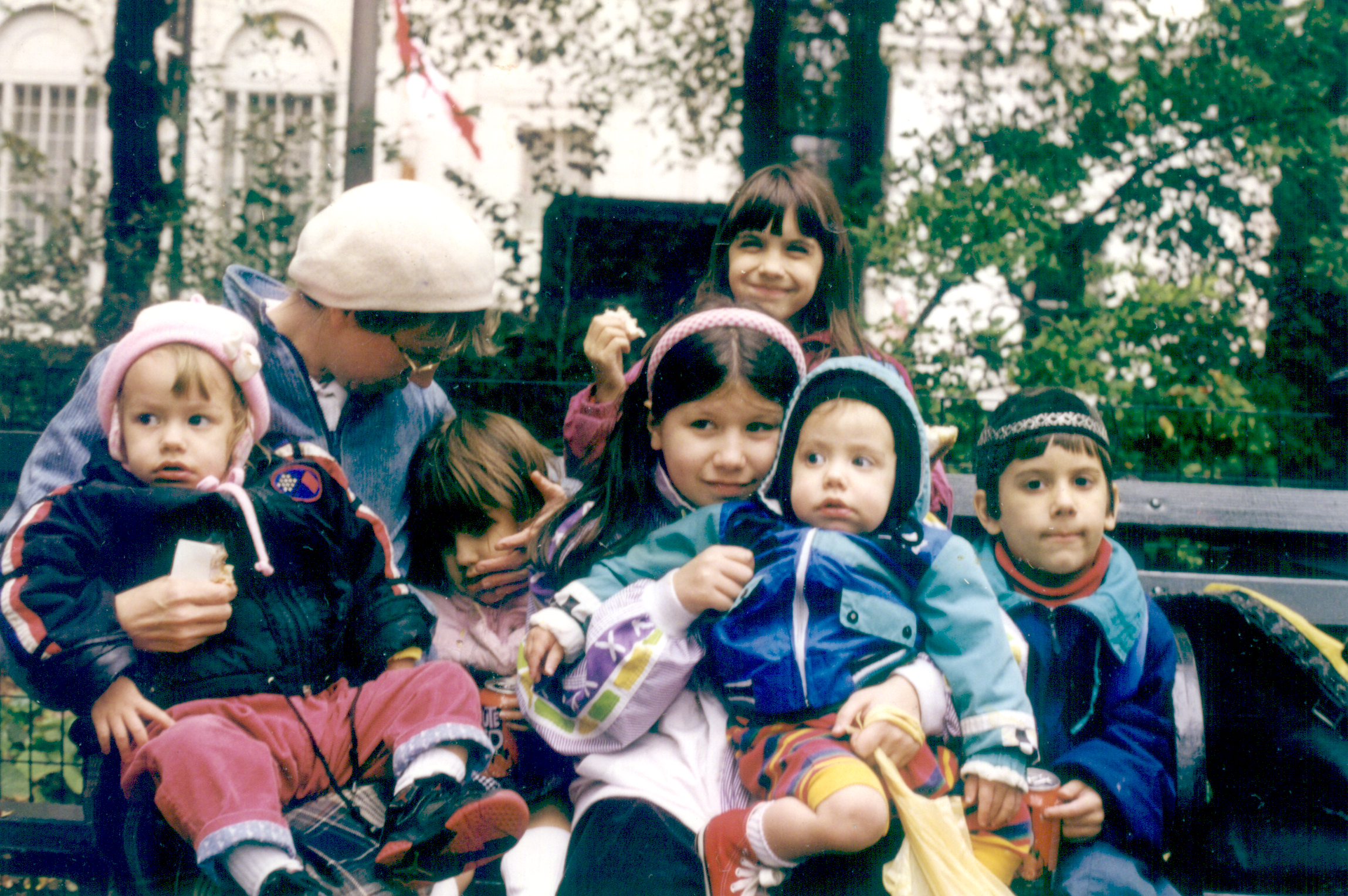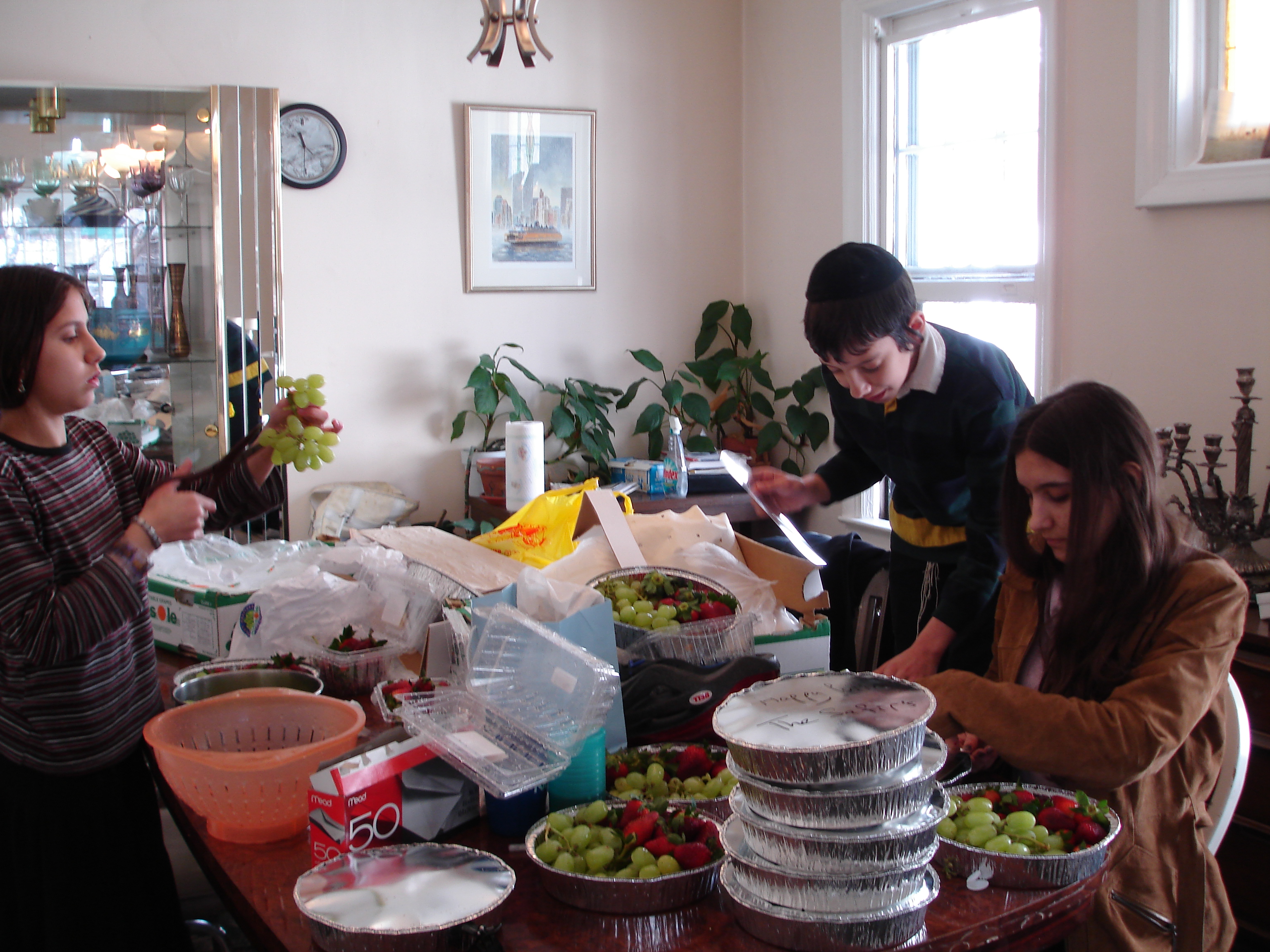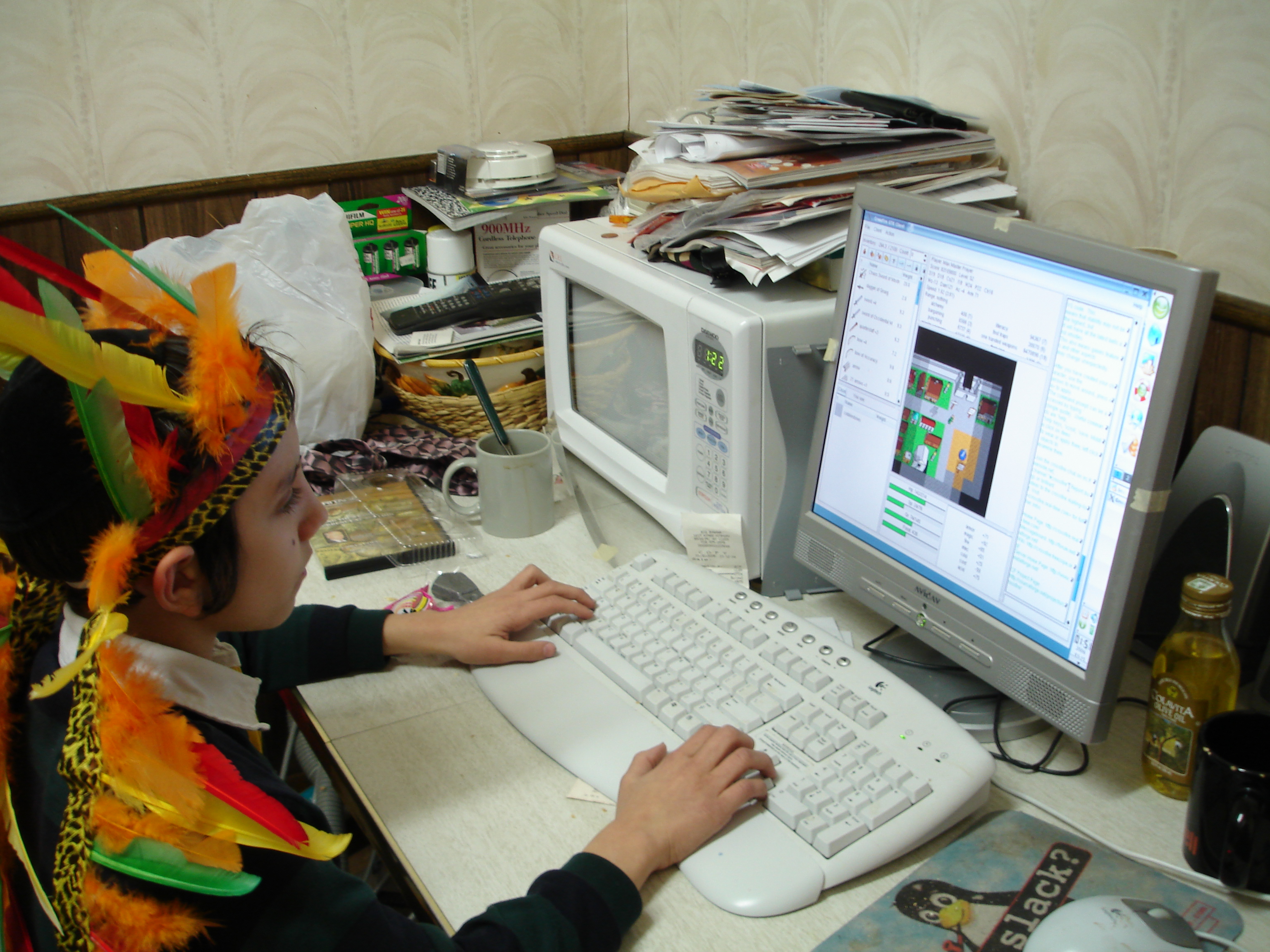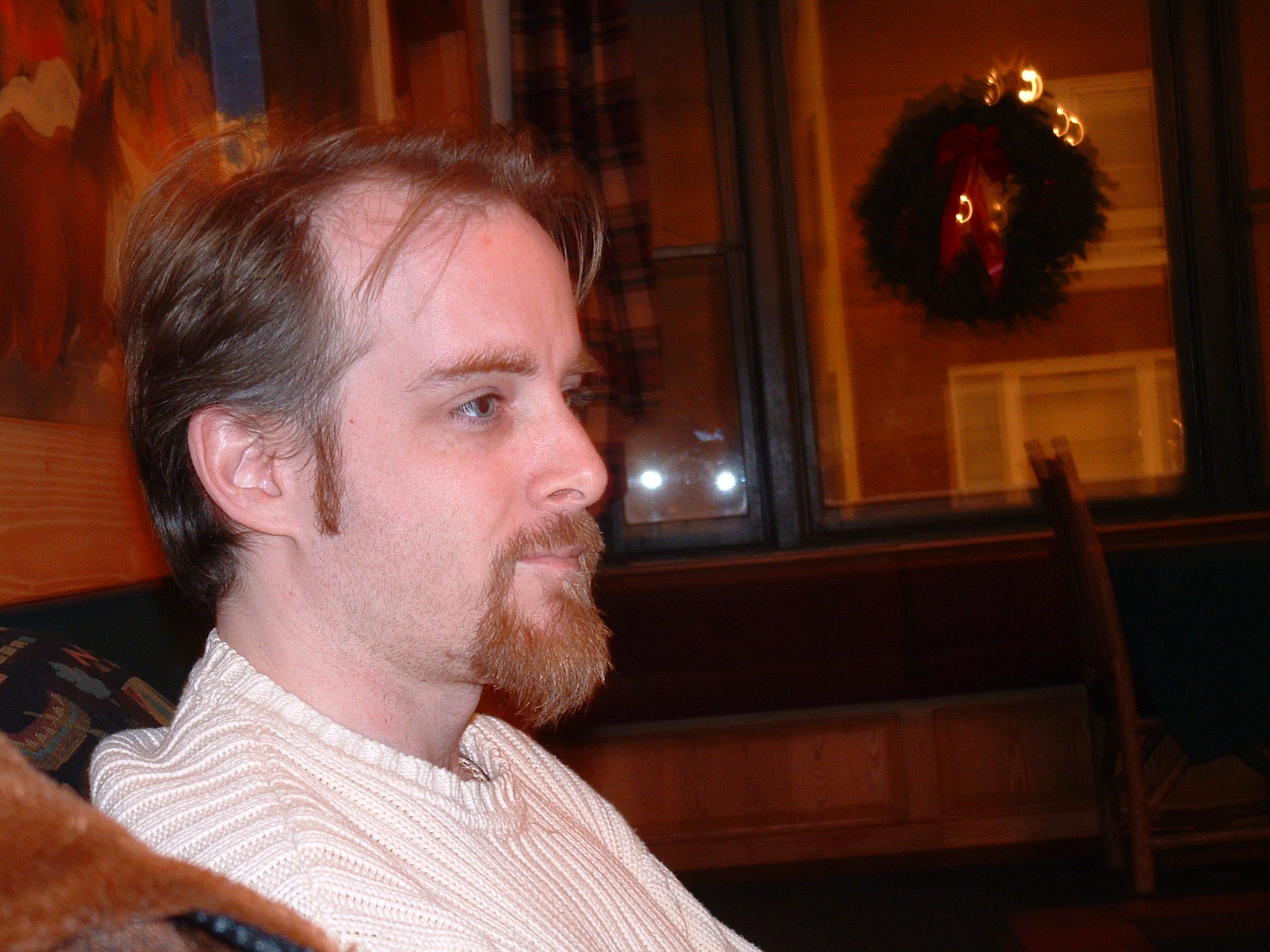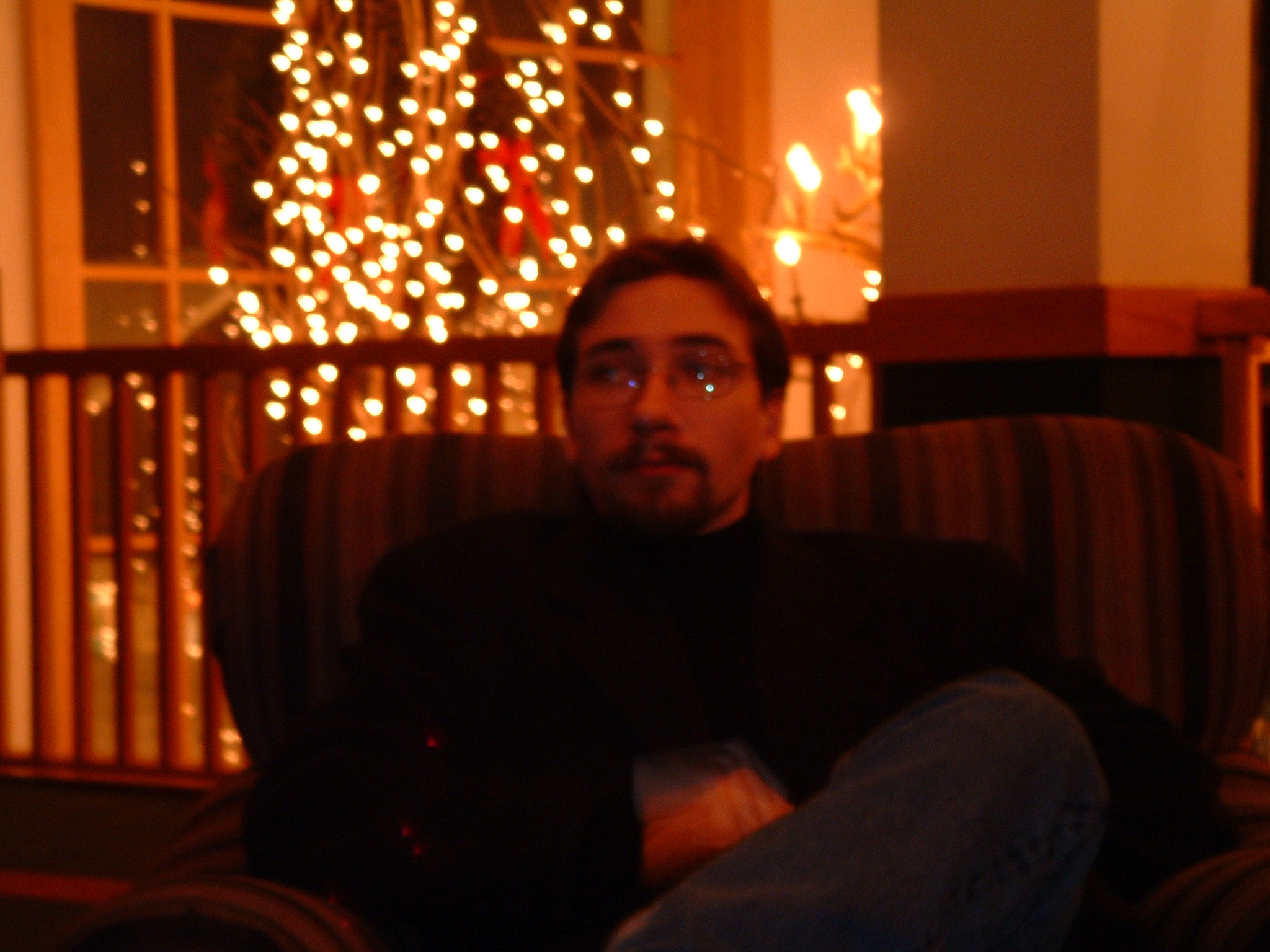
Who is Ruben Safir? Good question. Born into a poor Jewish Canarsie family in 1963, Ruben is a life long Brooklyn resident from a long line of Brooklyn Residents. Currently a father of 6 children, all from the same wife, divorced, and a huge Free Software advocate. He is a published author, programmer, teacher, speaker, political activist, Pharmacist, and father. With a long NY heritage this is a photo of the family just before coming to America.
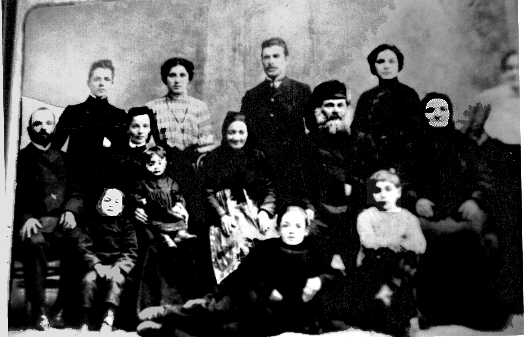
Post Family from 1905 - Ruben's Great Grandmother Rose Post (later Rose Barcan) is the second from the left on the top row
There is also the Safir side of the family. Many of the Safir's are spread far and wide in the country, even close relatives who He's never met on my father's side of the family. If your related to Morris Safir or Nathan (Emile) Safir email me and He'll share with you some decent lost photos. And we can also take.
There are also some Ginsberg's, Barcan's, and Postofsky's floating around the family tree. Email if interested.
His Children's names are:

When in the Army I met a nice Farm girl by the name of Ellen Boehlke. She was quite beautiful and a charmer, lovely smile and seemingly gentle. After I left the Army she converted to Judiasm and we married having 6 kids and raising them in the Orthodox Jewish community of flatbush. Unfortunately, she proved to be a little nutty. After 20 years of hard work to ty to keep the family together, she took up with a gentile lover named Robert Bates, in Cayuta, NY, near Elmira in the Finger Lake region and took 2 of the children with her, leaving 2 of the children still living at home behind. She pulled the children out of their Yeshiva's, enrolled them in public schools and is now pursuing a life of Nature Study in the NYS Appalatian Mounts along the Penn-NY border. Its a sad story and it has devastated the children but I'm trying to work through it..
BROOKLYN GETS IT AGAIN FROM CITY
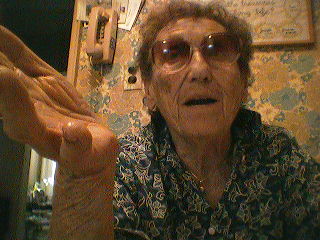
| That being said the love of Ruben's life is still his 92 year old Granmother, Esther Wallace, who we couldn't say enough about. Her 90th Birthday is January, 2007. This is by far the most beautiful women on earth, and she makes great oatmeal. If your ever lucky enough to be around her kitchen table at 7AM, your in for a once in a life experience. She is by far the most insightful, intelligent conversationalist I've ever met, and has 90 years of archives to which she can exploit as a teacher, friend and confident |
Ruben has a fettish with computers. A life long programmer, he began web design in 1995
for his own website the now defunct Jewish Billboard.
He then began writing for
Along the way he help many Brooklyn based small businesses get their first feet on the web. Recalling back to those days, it was a very hard sell to get businesses to invest in internet presense. How the times have changed.
He helped businesses such are Medical Arts Chemist, Brauners Bakery, Judaica Tressures, Rosenzweig and Maffia, and TMM.NET get themselves up and running on the net.
There contines to be a lot of Brooklyn material on this site, perhaps the greatest repository on the net. One needs
to have the patients to walk through the galleries of photo's, texts and movies. There is a near complete
documentation of Williamsburg in the photo directories.
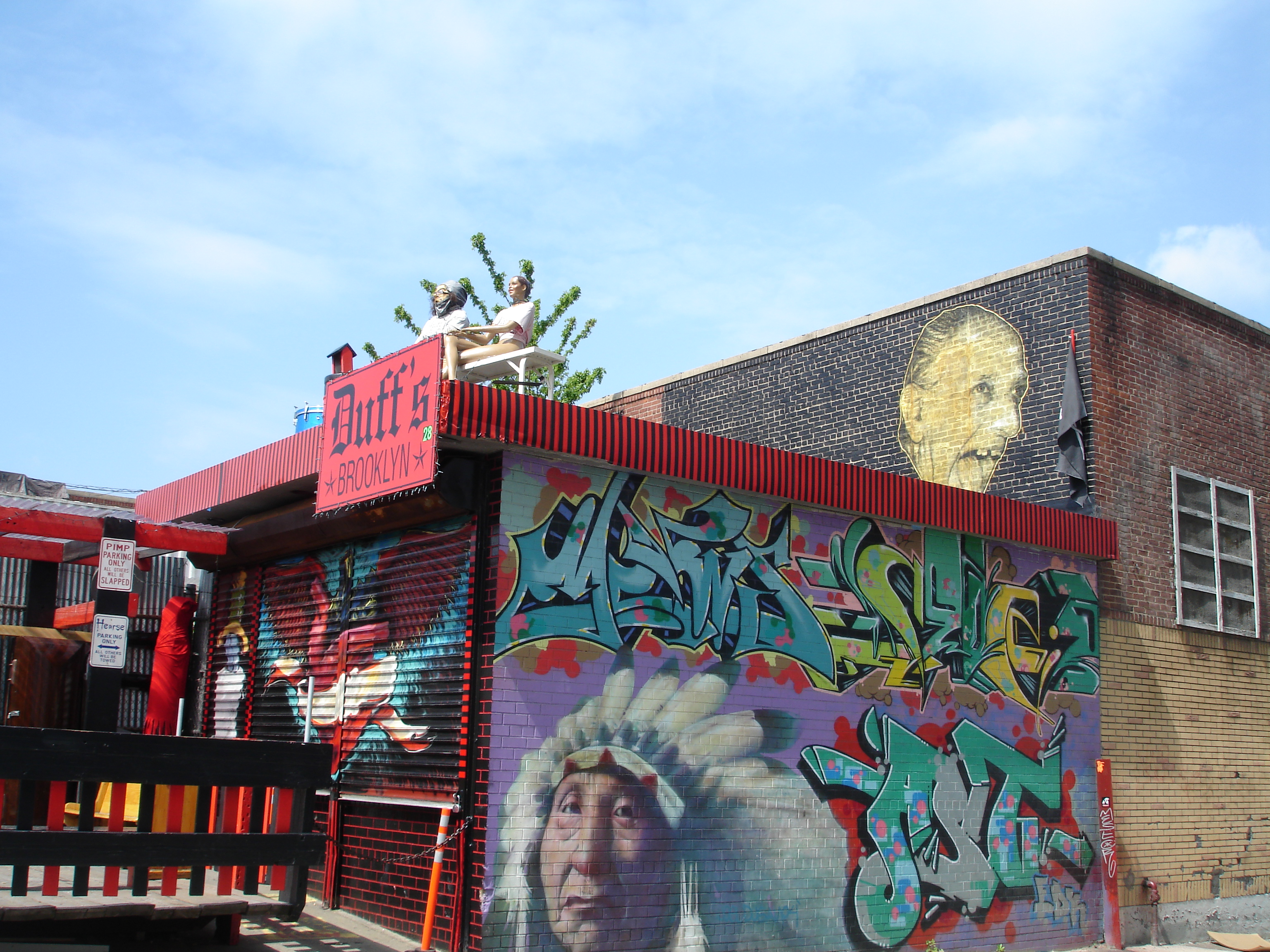
Cobble Hill Brooklyn on Bastille Day July 2007
The New Developing Coney Island Web Site
By the way, our current Mayor's Office telephone number is:
Mayor Bloomberg's Phone Number Is 212-772-1081
I tell you this because he's not taking phone calls any more.
These day, Ruben is mostly a professional Pharmacist. However, he remains active in a number of important political and educational organizations. He founded NYFairUse, and later had to change its name to the NY Assocation of Copyright Stakeholders. He founded NYLXS, still one of the most important Free Software organizaions in the nation. He teachs computer programming, once for the New School and then for NYLXS. He has particular expertise in Perl, C and GNU/Linux.
Occasionally he gets to take in a Pharmacy Conference in San Francisco. And when he does he gets a chance to combine Pharmacy activities with Computer Activities.
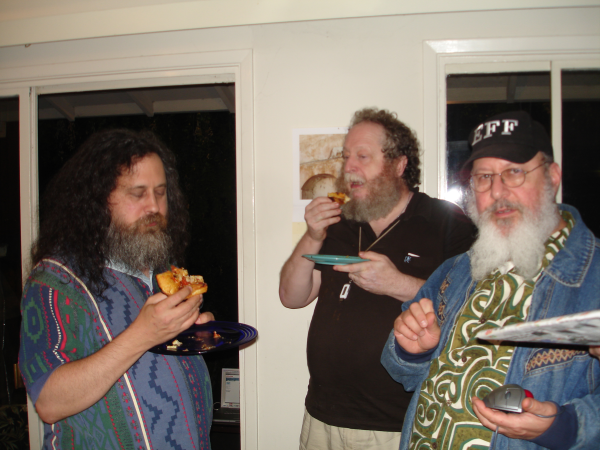 |
| Richard Stallman and Friends at Rick Moen's House in the Bay Area |
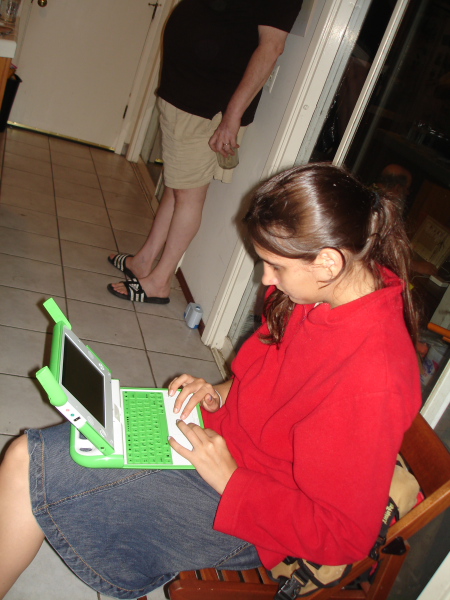 |
| Shoshana Safir testing the One Laptop Per Child Prototype. |
Ruben's Quotes that others have Quoted
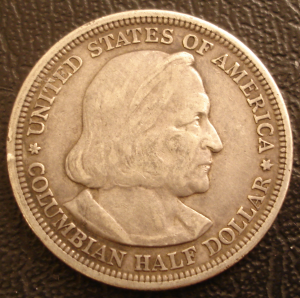 Columbian Commemorative
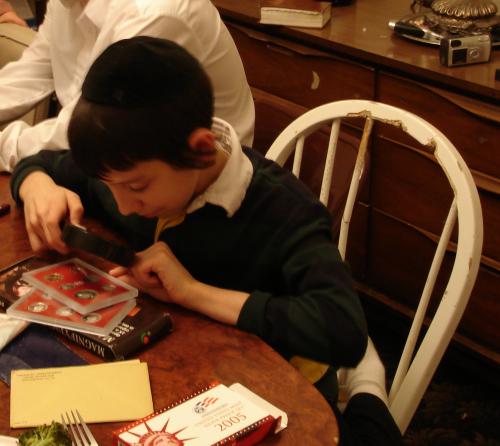
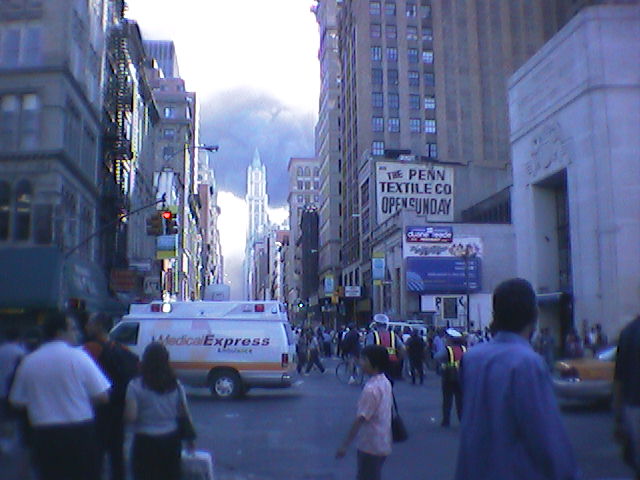
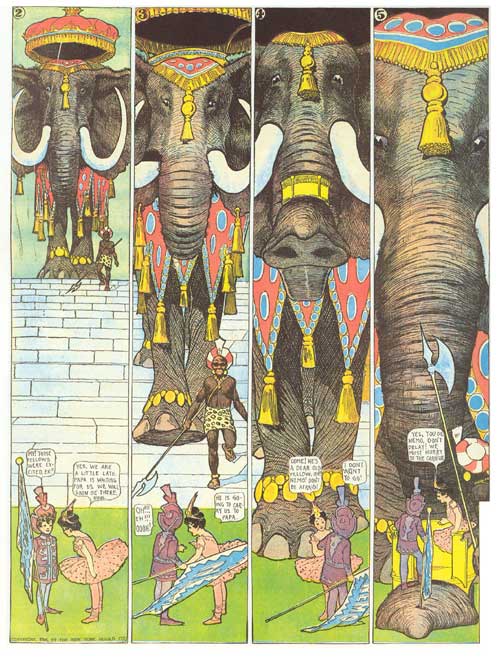
|
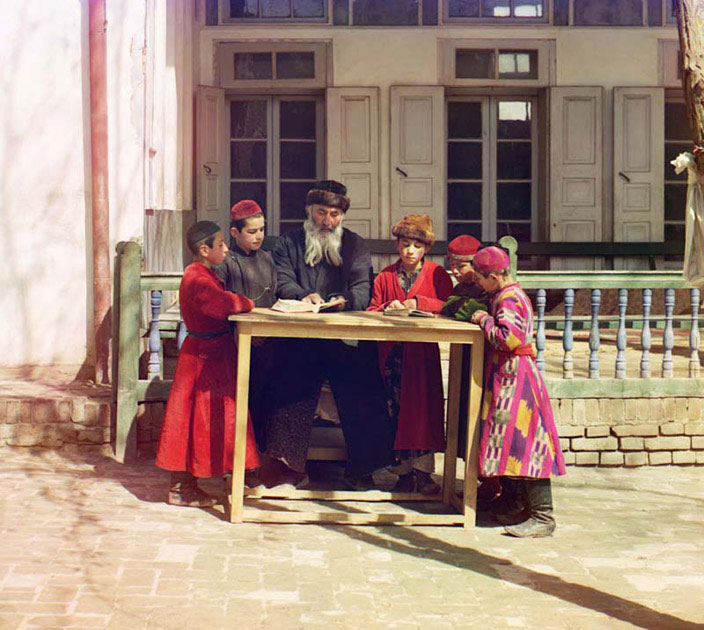
The Library of Congress has put together this incredibile collection of color photographs
the earliest color photographs that I'm aware of, which show Russia
just before the revolution. What is ironic about this is that the
technology used to create these photos required projection and the film
materials were preserved, even though that it is completely customized
technology because it wasn't protected by any copyright and had the
ability to be preserved. Today, the it will be impossible to preserve anything as historically important as these works because the restrictions that copyright holders can put on any work destroy the publics right to preserve such works. In addition, because Copyright is now so long, anything done today could not be displayed even 100 years into the future. This work escaped copyright control mostly do to the fact that its owners, the Russian Tzars, were shot dead. With the death of the VCR and the Video Tape this past month, how can the history of the last 20 years be preserved? |
This is a wonderful project that shows just what we could do if Congress finally wised up and ended the blockade of the Digital Revolution by a few special interests and the DMCA. See The Art of Pitching from 1887.
These videos, which very unforunately are wmv files are video on demand and together compose the best lecture series to be found in any published form. Weber and the Met prove how theusage of information can enlighten and add depth of understanding to the public at large. Weber starts with pre-history and goes well beyond the who where and whats, but exposes how human technology affects society continually through history, from the beginning of writing to the era of video and eletronics. For those who use Free Software, try mplayer http://www.mplayerhq.hu for playback. The streams exist at mms://cate-annenberg.cate.buffalo.edu/annenberg/Western_Tradition_03.wmv and so forth in numeric order.
Many times while teaching Ruben Safir has tried to describe our the digital revolution is changing the society we live in at rate of change greater than any time since the formation of writing and then the advent of modern print in the 1500's. Weber makes this much clearer and this series should be mandatory for all politicians and 'bloggers'.
Learn about the industry and enjoy!.
How do I set my royalty and the final price of my work?
At Lulu, you set the royalty for your own work. Instead of charging you for publishing services, Lulu earns a 20% commission on each item sold. (For more details, see How is the Lulu commission calculated?)
Pricing is a simple equation: Price = Production Cost + Royalty + Lulu Commission (shipping is extra)
* Downloads have no production costs. Your royalty constitutes 80% of the selling price.
* Print products have production costs. The selling price of the content reflects the production cost, your royalty and the Lulu commission.
You can also publish your title without a royalty. If you do this, we waive the Lulu commission and the selling price of your title is the production cost. For downloads, the content is free.
The Pricing & Royalty section will help you work through selling price and royalty combinations in real-time. When you enter a royalty, the calculator fills in the Lulu commission and price fields. When the Pricing & Royalty section is first displayed in Step 5, the amounts shown are the production costs for each distribution format (print or download). You can:
* Enter a royalty amount and let Lulu calculate the selling prices.
* Enter a selling price for one format and Lulu calculates your royalty and the other selling price.
* Enter $0 in the Your Royalty field to reset the amounts back to production costs.
See an example.
We do not offer dynamic pricing, meaning you cannot set different royalties for each distribution format. Pricing for download and print formats is interrelated; the same royalty and Lulu commission are added to the selling price for each format.
NOTE: If you decide to purchase a distribution service after completing the publishing process, you will also set a retail price for your book. You will still be able to sell your book through Lulu, at the price you set here. For more information about retail prices, see How do I set the retail price of my book? and this retail pricing example.
Last updated: 2006-10-10 14:21:49
How do I set a license on my work?
Click the SET LICENSE button. Click on the linked name of any of
the default licenses to learn more about it. Here is a quick summary of
each license:
* Standard Copyright License: All of your rights under copyright law apply to the work.
* Creative Commons Attribution-NonCommercial-ShareAlike 2.0:
People are allowed to copy, alter, and distribute your work as long as
you are given proper credit and the license is attached to the copy.
* GNU Free Documentation License: This license is similar in
scope, but works under this license may be used for commercial
purposes.
Lulu offers these three licenses as defaults because they are the
most popular options for licensing non-software content on the Web. To
use one of these licenses, select its radio button before you click
COMPLETE PUBLISH. If none of the default options meets your needs, you
can choose from a wider selection by clicking the MORE LICENSES button,
or you can specify your own license by clicking USE MY OWN LICENSE.
Because the license tells the buyer or user how he or she can use
your work, it is fixed at the time of publication. The license for a
work can be changed after publication by unpublishing or creating a new
revision.
Last updated: 2006-10-06 05:02:57